Your What material is used for chinking log cabins images are ready. What material is used for chinking log cabins are a topic that is being searched for and liked by netizens today. You can Download the What material is used for chinking log cabins files here. Find and Download all free photos.
If you’re looking for what material is used for chinking log cabins pictures information connected with to the what material is used for chinking log cabins keyword, you have pay a visit to the ideal blog. Our website frequently provides you with hints for downloading the highest quality video and image content, please kindly search and find more informative video content and images that fit your interests.
What Material Is Used For Chinking Log Cabins. But in most cases you will want to use synthetic chinking to ensure that your log home lasts. Chinking both seals joints between logs for weather protection and acts as a decorative touch. It was used extensively in wooden ship construction and I have heard in cabin chinking as well. How to Use Log Cabin Chinking Materials.
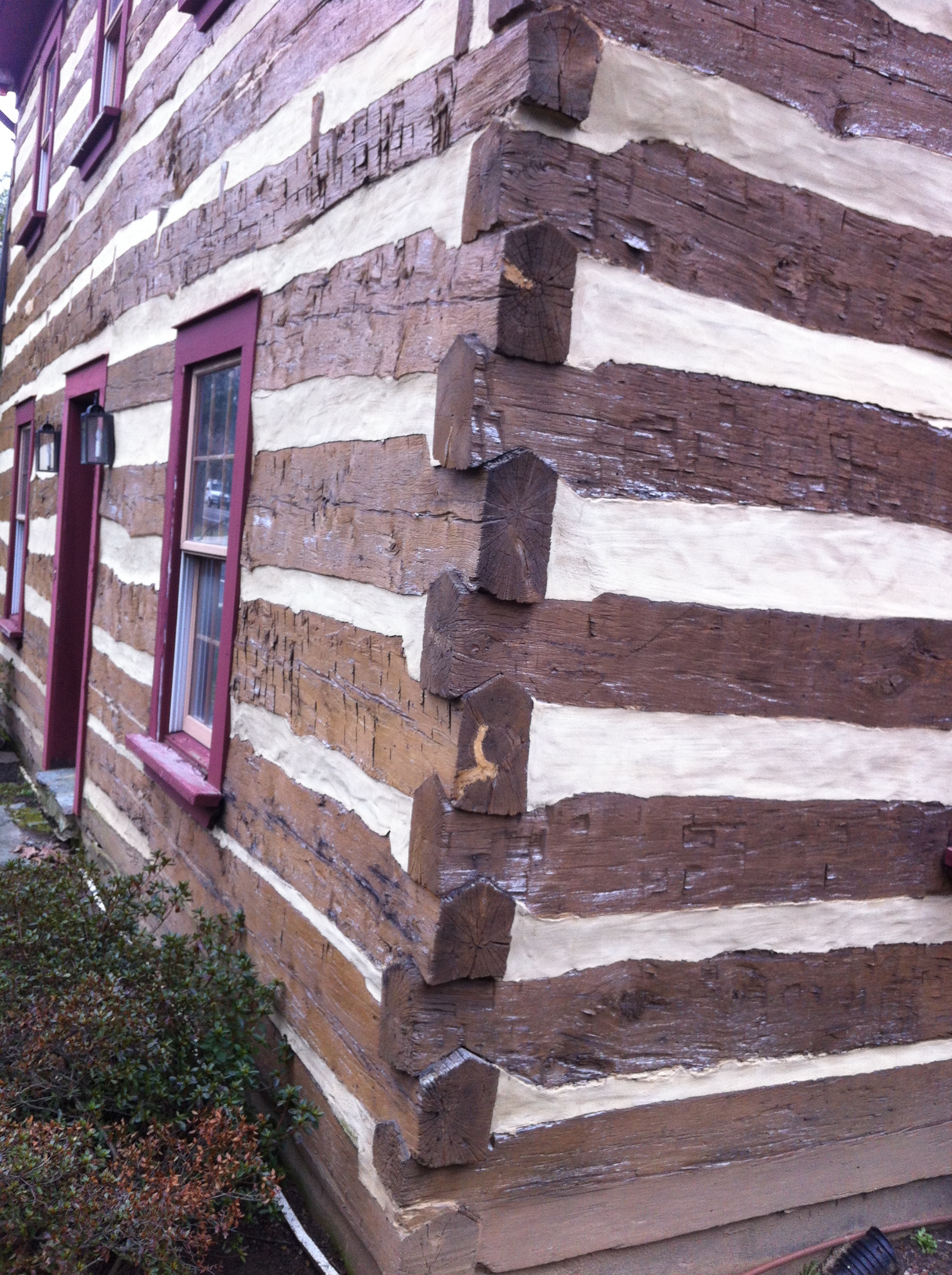 Log Cabin Chinking Part 2 Handmade Houses With Noah Bradley From handmadehouses.com
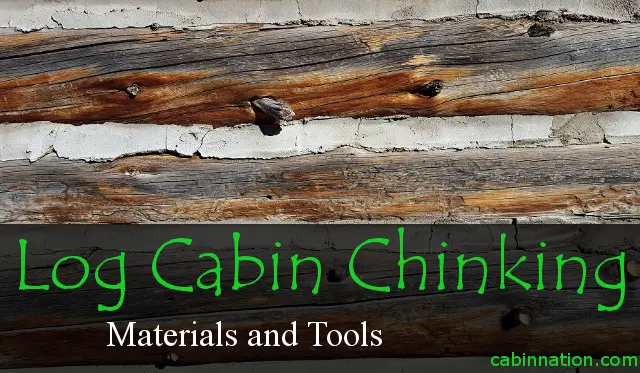
Chinking both seals joints between logs for weather protection and acts as a decorative touch. So what is chinking made of. People use the term chinking to describe the whole process of filling the gaps between the logs in a cabin but log cabin historians know that its a two step process. How to Use Log Cabin Chinking Materials. It can be used on both the interior and exterior walls of your log structure. Besides leaving a stain on your logs it might provide a solution.
It is particularly popular with log home owners who want their home to have a historic look.
Perma-Chink is a pure acrylic that adheres to logs and stretches to maintain a tight seal by following log movement. What many people may not know is that log cabin chinking is not just for visual appeal it also helps. Today the majority of chink used is made of a synthetic mixture. They used a blend of available materials to do so packing the space between logs with substances flexible enough to allow the wood to breathe yet strong enough to give protection. You can also use ash silt and clay to provide an aesthetic touch to the building. So what is chinking made of.
 Source: restorelogs.com
Chinking Chinking is a flexible sealant that is used to seal the joints of log homes. What is chinking made of. So what is chinking made of. What are the difference and which is best for you. Early log home builders realized quickly that they needed something to fill in the chink and keep out the elements.
 Source: logcabinfromscratch.com
In the old days anything and everything was used to seal the log joints such as mortar mud straw strips of clothetc. Chinking Chinking is a flexible sealant that is used to seal the joints of log homes. Those in this industry. In the old days anything and everything was used to seal the log joints such as mortar mud straw strips of clothetc. The use of cement for chinking is minuscule in comparison to the other uses of cement.
 Source: mountainhomebuildingproducts.com
No matter what type of log property you own it is important to use chinking a synthetic mortar to keep the log joints sealed. With older and settled cabins the Triple Stretch will help seal up any holes in the existing chinking creating a lasting seal. Go here to check out a video of me chinking a log cabin. Most common and easy recipe for chinking is to mix 1 part of Portland cement ½ part masonry lime and 3 parts of masonry sand. Chinking is important in keeping moisture insects wind and other forces of nature from entering logs.
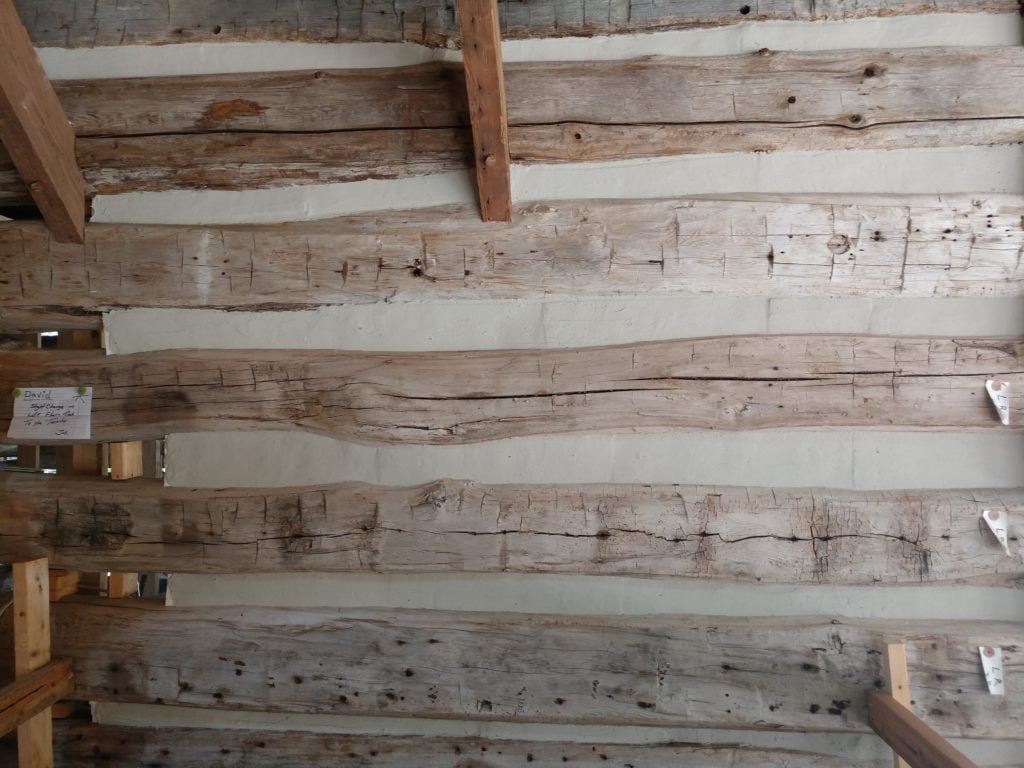 Source: universalconstructionfoam.com
The Benefits of Triple Stretch Chinking Products. What is chinking made of. What many people may not know is that log cabin chinking is not just for visual appeal it also helps. This substance came to be known as chinking. The chinking material we carry come in 8 rustic colors and are easy enough to do it yourself.
 Source: weatherall.com
Its a good idea to use products made by the same. Your chinking must be chemically compatible with your stain sealer clear coat or other preservative products to prevent problems. They used a blend of available materials to do so packing the space between logs with substances flexible enough to allow the wood to breathe yet strong enough to give protection. But in most cases you will want to use synthetic chinking to ensure that your log home lasts. I was considering chinking the entire structure however the cost seems outrageous for the.
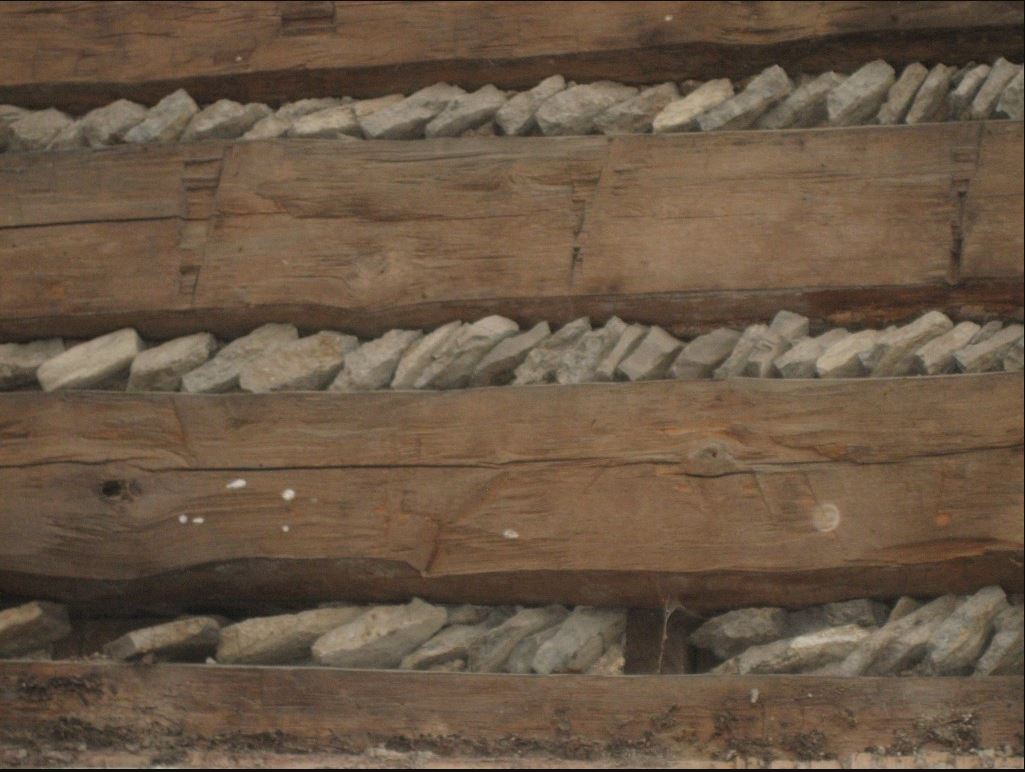 Source: permachink.com
I have a 80 year old log cabin in Northern New Brunswick which needs some attention. The use of cement for chinking is minuscule in comparison to the other uses of cement. It is particularly popular with log home owners who want their home to have a historic look. Log chinking in general is the application of a mortar like substance to the joints between the logs. Besides leaving a stain on your logs it might provide a solution.
Source: handmadehouses.com
I have a 80 year old log cabin in Northern New Brunswick which needs some attention. Today the majority of chink used is made of a synthetic mixture. With older and settled cabins the Triple Stretch will help seal up any holes in the existing chinking creating a lasting seal. Perma-Chink is a flexible textured log home chinking that seals the open gaps between logs to eliminate heat loss and air infiltration. Today we use an acrylic elastic compound that adheres to the logs and can stretch and contract as the logs settle and move seasonally.
 Source: restorelogs.com
The shrinking of the logs will allow the chinking to come away and it could be very drafty. Hi everyone I m looking for some advice. Perma-Chink is a pure acrylic that adheres to logs and stretches to maintain a tight seal by following log movement. In the old days anything and everything was used to seal the log joints such as mortar mud straw strips of clothetc. Your chinking must be chemically compatible with your stain sealer clear coat or other preservative products to prevent problems.
 Source: prologrestoration.com
Remember Lowes wasnt around the corner so it was basically. Knowing what to do when to do it and how much it is going to cost you is important when thinking about the integrity of your structure. That means it would have to be packed and compressed into the log joints as it was in ship construction. What are the difference and which is best for you. The Benefits of Triple Stretch Chinking Products.
 Source: cabinnation.com
3 Feb 20 2009. What many people may not know is that log cabin chinking is not just for visual appeal it also helps. Most common and easy recipe for chinking is to mix 1 part of Portland cement ½ part masonry lime and 3 parts of masonry sand. Its a good idea to use products made by the same. Today we use an acrylic elastic compound that adheres to the logs and can stretch and contract as the logs settle and move seasonally.
 Source: outdoortroop.com
3 Feb 20 2009. This mixture used to. The chinking material we carry come in 8 rustic colors and are easy enough to do it yourself. It provides protection from the elements by sealing off the cabin completely. They used a blend of available materials to do so packing the space between logs with substances flexible enough to allow the wood to breathe yet strong enough to give protection.
 Source: pinterest.com
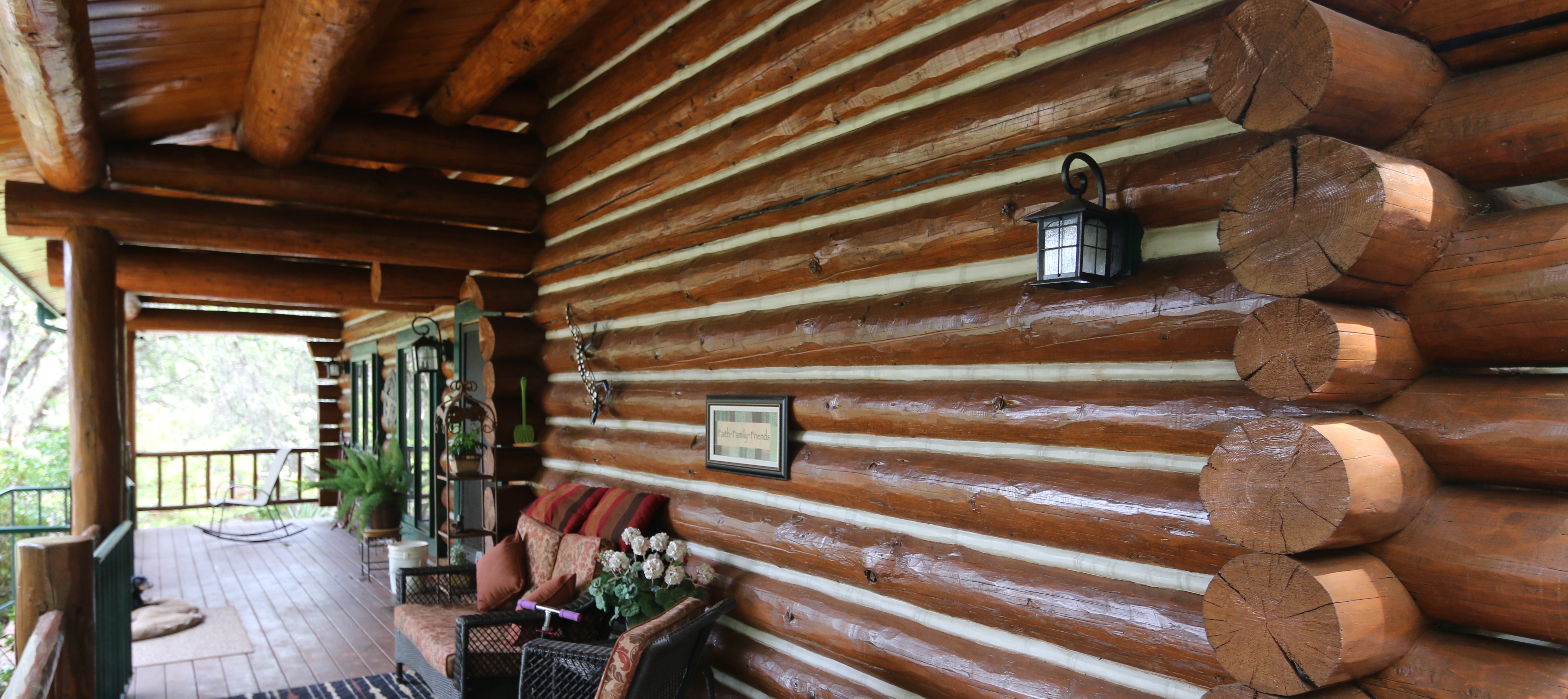
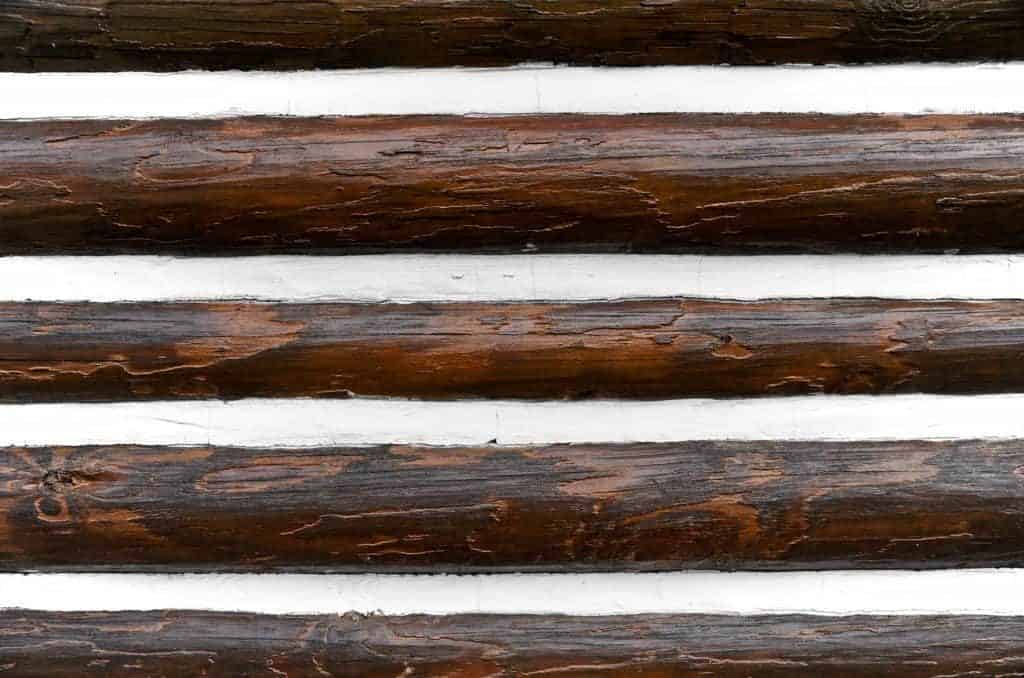
With older and settled cabins the Triple Stretch will help seal up any holes in the existing chinking creating a lasting seal. Water-based caulk for log home repair and sealing. The use of cement for chinking is minuscule in comparison to the other uses of cement. We offer several reliable chinking products. Chinking is clearly visible on the surface of the log walls and is both decorative and functional.
 Source: logcabinhub.com
Chinking is clearly visible on the surface of the log walls and is both decorative and functional. This is where things got really creative for the original log cabin builders. The logs are insulated with oakum in some sections and showing gaps where the oakum has fallen outmissing in other sections. Ultra flexible and elastic wont crack or pull away Water-based for easy application and clean-up Freeze-thaw stable OK to leave in your truck overnight LOG JAMSYNTHETIC CHINKING Box Lge tubeSALE 23000 5 Gal Pail SALE 33500 Buy Now. Chinking used to be made using a mixture of clay lime silt sand ash and dirt.
 Source: youtube.com
With older and settled cabins the Triple Stretch will help seal up any holes in the existing chinking creating a lasting seal. The Benefits of Triple Stretch Chinking Products. People use the term chinking to describe the whole process of filling the gaps between the logs in a cabin but log cabin historians know that its a two step process. Remember Lowes wasnt around the corner so it was basically. What are the difference and which is best for you.
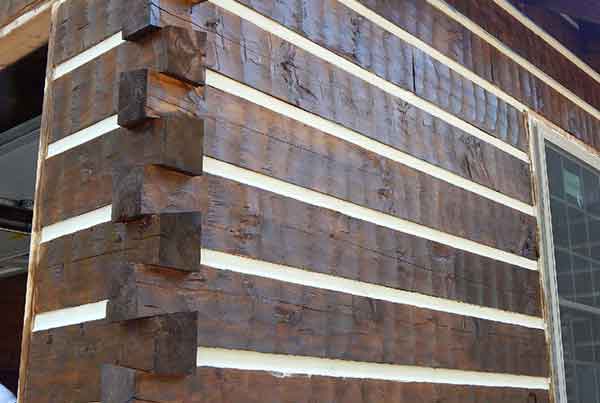 Source: logcabinsforless.com
Chinking used to be made using a mixture of clay lime silt sand ash and dirt. Its a good idea to use products made by the same. People use the term chinking to describe the whole process of filling the gaps between the logs in a cabin but log cabin historians know that its a two step process. The shrinking of the logs will allow the chinking to come away and it could be very drafty. Chinking is important in keeping moisture insects wind and other forces of nature from entering logs.
 Source: restorelogs.com
It was used extensively in wooden ship construction and I have heard in cabin chinking as well. Chinking is not a glue. What many people may not know is that log cabin chinking is not just for visual appeal it also helps. But in most cases you will want to use synthetic chinking to ensure that your log home lasts. This is where things got really creative for the original log cabin builders.
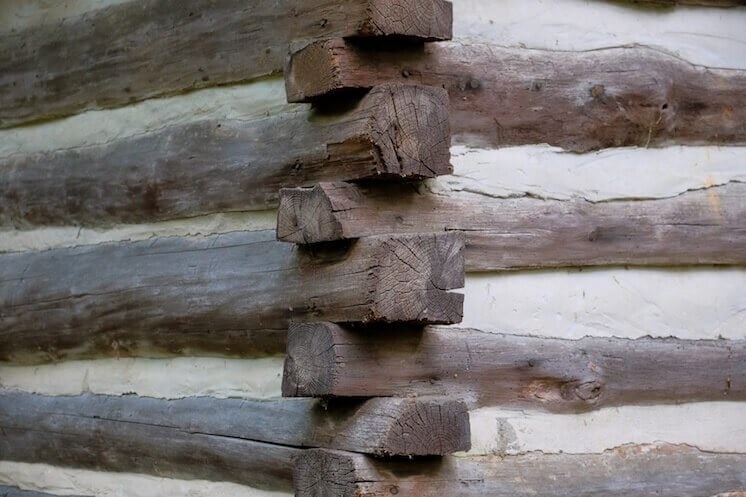 Source: logcabinhub.com
Since it is water proof I dont think the rope fibers would swell. Chinking is not a glue. Knowing what to do when to do it and how much it is going to cost you is important when thinking about the integrity of your structure. Chinking both seals joints between logs for weather protection and acts as a decorative touch. It can be used on both the interior and exterior walls of your log structure.
 Source: wefixloghomes.com
They used a blend of available materials to do so packing the space between logs with substances flexible enough to allow the wood to breathe yet strong enough to give protection. Go here to check out a video of me chinking a log cabin. Chinking both seals joints between logs for weather protection and acts as a decorative touch. You can also use ash silt and clay to provide an aesthetic touch to the building. 3 Feb 20 2009.
This site is an open community for users to do sharing their favorite wallpapers on the internet, all images or pictures in this website are for personal wallpaper use only, it is stricly prohibited to use this wallpaper for commercial purposes, if you are the author and find this image is shared without your permission, please kindly raise a DMCA report to Us.
If you find this site beneficial, please support us by sharing this posts to your own social media accounts like Facebook, Instagram and so on or you can also save this blog page with the title what material is used for chinking log cabins by using Ctrl + D for devices a laptop with a Windows operating system or Command + D for laptops with an Apple operating system. If you use a smartphone, you can also use the drawer menu of the browser you are using. Whether it’s a Windows, Mac, iOS or Android operating system, you will still be able to bookmark this website.


